
Chronic Pain
Pain is complex and your experience deserves to be heard.
Living with chronic pain is frustrating. Some days are manageable, while others feel like moving a mountain. You may have tried multiple treatments, received conflicting advice, or simply grown tired of having your symptoms dismissed.
Whether you've been living with chronic pain for months or many years, we'll begin with a thoughtful assessment to better understand your symptoms and explore how massage therapy may fit into your care.
Does this sound familiar?
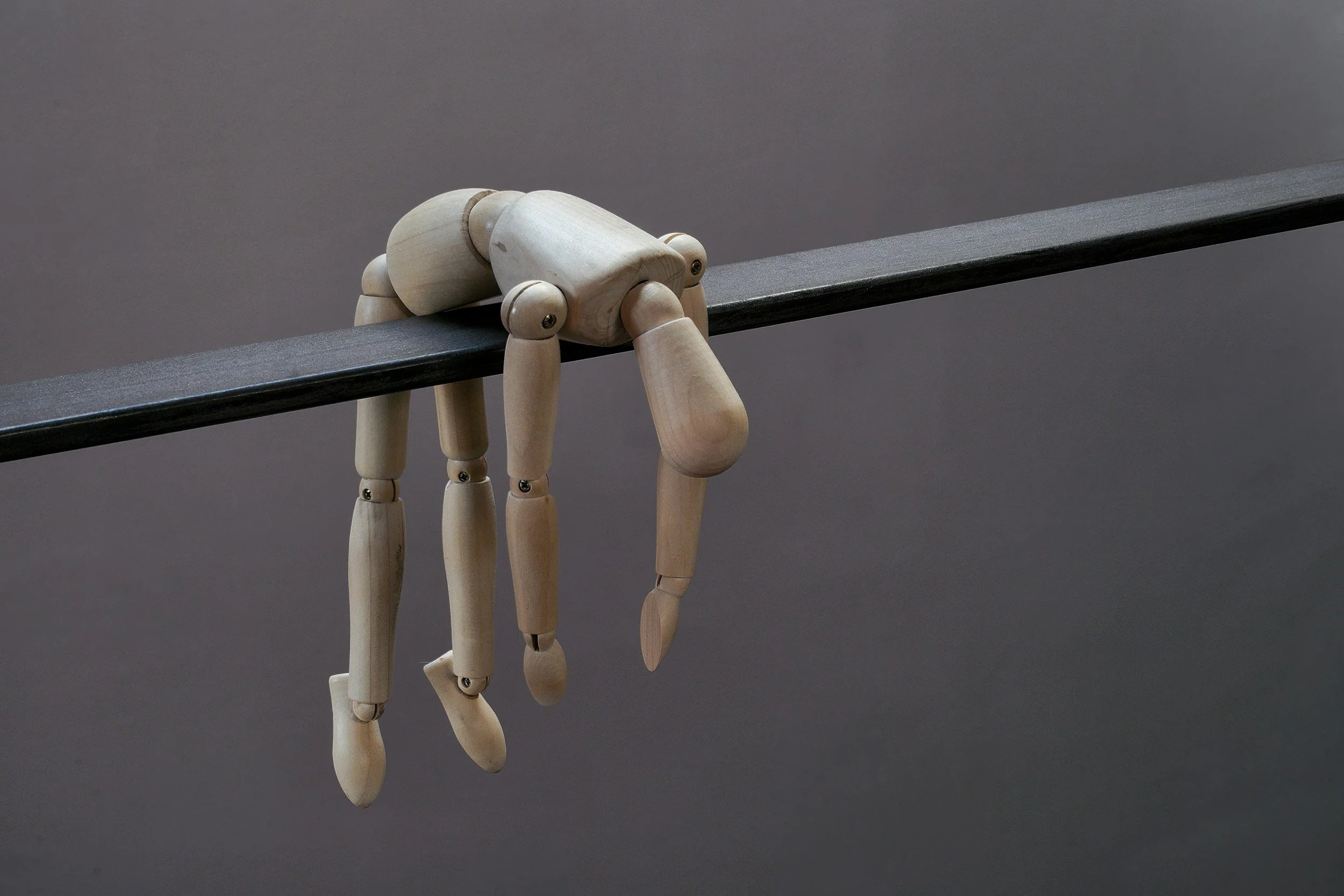
Imagine someone who wakes up tired, even after a full night's sleep. Their pain changes from day to day. Sometimes it's manageable, and other times even simple tasks feel overwhelming. They've quietly adapted how they work, exercise, socialize, and rest, often without realizing just how much their symptoms have shaped their daily life.
They're not lazy, weak, or imagining things. Their body has adapted over time, and their experience deserves to be heard with curiosity rather than assumptions.
This is one example of what living with chronic pain can look like. Every person's experience is different, which is why treatment always begins with listening, thoughtful assessment, and understanding the whole picture before deciding what treatment may be most appropriate.
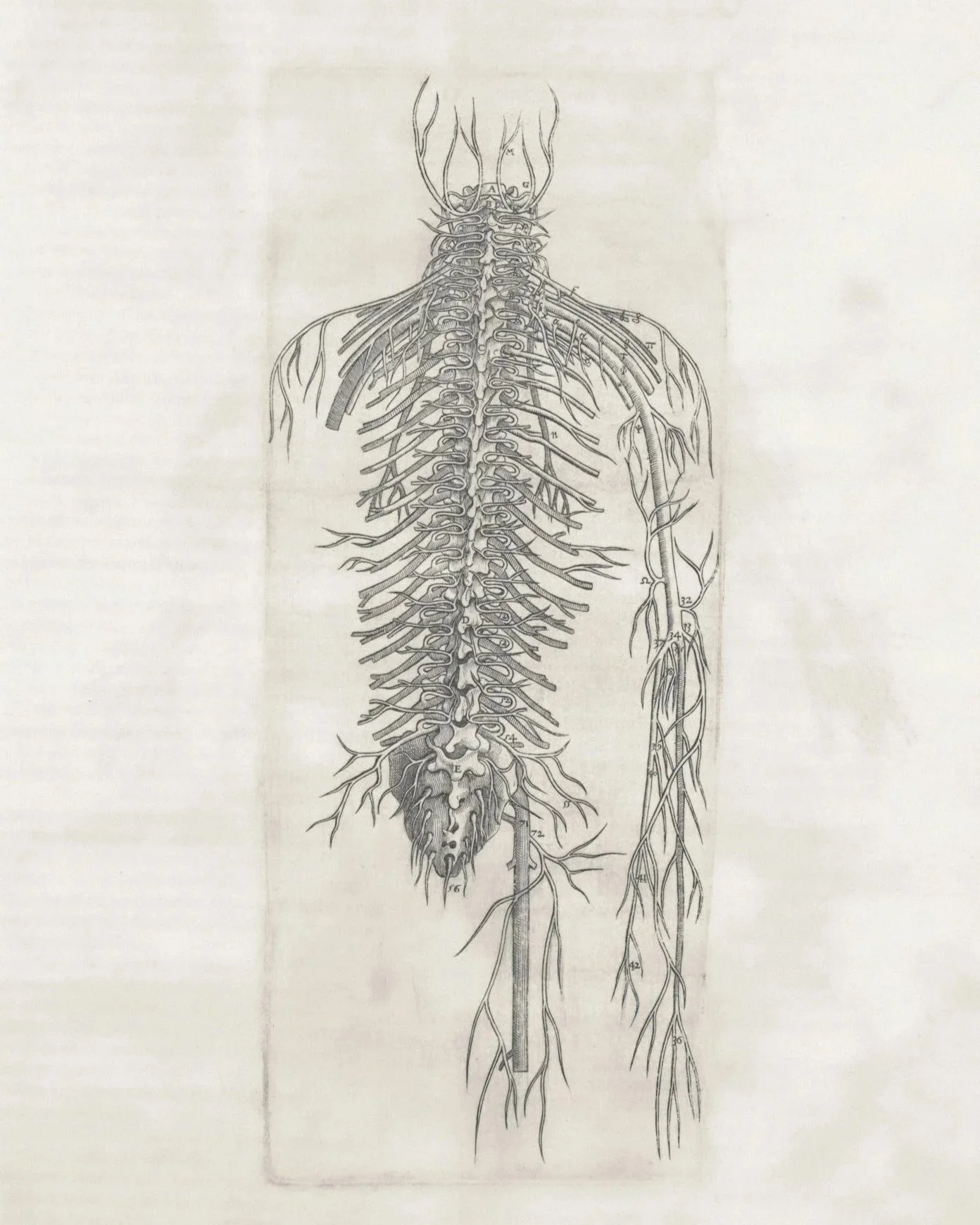
What exactly is chronic pain?
Chronic pain generally refers to pain that lasts longer than three months or continues beyond the expected healing time. Persistent or ongoing pain can affect one area of the body or several, and may develop for many different reasons.
Some people live with pain related to arthritis, previous injuries, hypermobility, headaches, or autoimmune conditions. Others may experience persistent pain without a single clear explanation.
This is one reason assessment is so important. Rather than focusing only on where it hurts, we'll work together to better understand your symptoms, goals, and how massage therapy may support your overall care.
Living with Chronic Pain
Living with chronic pain can affect much more than a specific area that hurts. If pain has started to influence how you move, sleep, work, or participate in the activities you enjoy, an assessment can help identify patterns that may be contributing to your symptoms and determine whether massage therapy may be an appropriate part of your care.
Common Symptoms
Chronic pain affects everyone differently. Symptoms may remain fairly consistent or change over time, and the impact often extends beyond the location of the pain itself.
Persistent or recurring pain
Muscle tension or stiffness
Fatigue or reduced energy
Difficulty sleeping
Increased sensitivity to movement or activity
Common Contributing Factors
There is rarely one single reason someone develops chronic pain. Instead, symptoms are often influenced by a combination of physical, lifestyle, and health-related factors.
Previous injury
Repetitive strain
Arthritis or other medical conditions
Stress and nervous system sensitivity
Changes in activity or movement patterns
Frequently Associated Conditions
Chronic pain often exists alongside other health conditions. While everyone's experience is different, these are some of the concerns that commonly overlap with persistent pain.
Headaches & Migraines
Hypermobility & EDS
Stress & Burnout
TMJ Dysfunction
Injury Rehabilitation
How Massage Therapy May Help
Living with chronic pain often means navigating symptoms that change from day to day. Because every person's experience is different, treatment begins with understanding your goals, your symptoms, and how your body responds. Together, we'll decide which treatment approaches are most appropriate for your needs, comfort level, and overall care.
Therapeutic Movement
When appropriate, gentle movement and mobility exercises may be incorporated into treatment or home care. Small, achievable changes often have a greater long-term impact than trying to change everything at once.
Hydrotherapy
Strategic heat and/or cold applications may be recommended depending on your symptoms and treatment goals. Used appropriately, hydrotherapy can be a simple way to support comfort between appointments.
Education
Understanding your symptoms can help reduce uncertainty and support more confident participation in your care. We'll discuss your symptoms, answer questions, and explore strategies that help you take an active role in your care.
Acupuncture
When appropriate, acupuncture may be incorporated into your treatment plan to help reduce muscle tension, improve comfort, and support movement. Following your assessment, we'll decide together whether it's a good fit for your goals.
Responsive Treatment
Massage therapy may help reduce muscle tension, improve comfort, and support easier movement. No two appointments look exactly alike. Treatment is adapted throughout the appointment with attention to your comfort, breathing, muscle tension, and how your body responds.
Self Management Strategies
Together we'll build realistic strategies that fit your lifestyle, whether that includes simple exercises, hydrotherapy, movement, pacing, or small adjustments to daily habits. The goal isn't “perfection” but rather finding approaches that feel meaningful and sustainable.
TMJ / TMJD / TMD FAQs
-
Sometimes the clicking you hear/feel is the result of a displacement of the articular disc within your jaw joint. This could be the result of muscle tension, joint mechanics, or dentition/bite changes.
Whether you have accompanying pain or not, this is not a normal presentation of jaw mechanics and should be evaluated by a skilled healthcare professional.
-
Yes. Stress is a very common trigger or aggravating factor in TMJ dysfunctions. The muscles of the jaw can be active even through the night! If they aren’t getting any rest, it’s no wonder that some one may be experiencing tension or pain.
-
The jaw doesn't work in isolation. The muscles that move it share close relationships with the muscles of your face, head, neck, and shoulders. That's one reason why jaw problems may also be associated with headaches, neck tension, ear symptoms, or facial pain.
-
Depending on the reason for the clicking at your jaw, massage therapy may be able to help. Did you know that there is a tiny intraarticular disc between the surfaces of the jaw joint? In fact, there is a tiny, but strong, muscle that attaches to the disc to help move it through opening and closing. Sometimes this muscle is unable to release it’s contraction and causes the disc to remain displaced. Massage therapy is a great modality to address this.
-
If you have any tooth pain, concerns about cracking teeth/cavities, or feeling of loose teeth, it would be most appropriate to see your dentist first.
-
Unfortunately, it can. The TMJ and ear are very close together, and the temporalis muscle, one of the main muscles of mastication, lays on the skull around the ear. This muscle, and a few others, can have trigger points in them that send referral pain to the ear.
-
A common reason for jaw pain and discomfort is overuse (like with grinding or clenching). Unfortunately, gum chewing can be an aggravating factor in some peoples’ jaw pain.
Every person experiences jaw discomfort differently and for different reasons.
Your first appointment includes a thorough assessment to discuss your symptoms and goals, and develop a treatment plan tailored to your needs. Whether your symptoms are new or something you've been managing for years, we'll work together to explore how massage therapy may fit into your care.