
TMJ / TMJD / Jaw Pain
Do you wake up with jaw pain? Feel a clicking when you chew? Catch yourself clenching at work?
This is common, but it isn’t necessarily something you have to live with.
Whether your symptoms started recently or you've been living with them for years, help is available. You're not alone, and you don't have to figure it out on your own.
Does this sound familiar?

Imagine someone who spends most of their day at a computer. They're concentrating, shoulders slowly creeping upward, jaw clenched without realizing it. By the afternoon they notice a headache. At dinner time, it feels uncomfortable to chew, and by bedtime their jaw feels exhausted.
They're not doing anything "wrong." Their body has simply adapted to stress and sustained muscle activity over time.
This is one example of how TMJD symptoms can develop, and it's one reason assessment is so important. Different people experience jaw pain for different reasons, and treatment is always tailored to the individual.
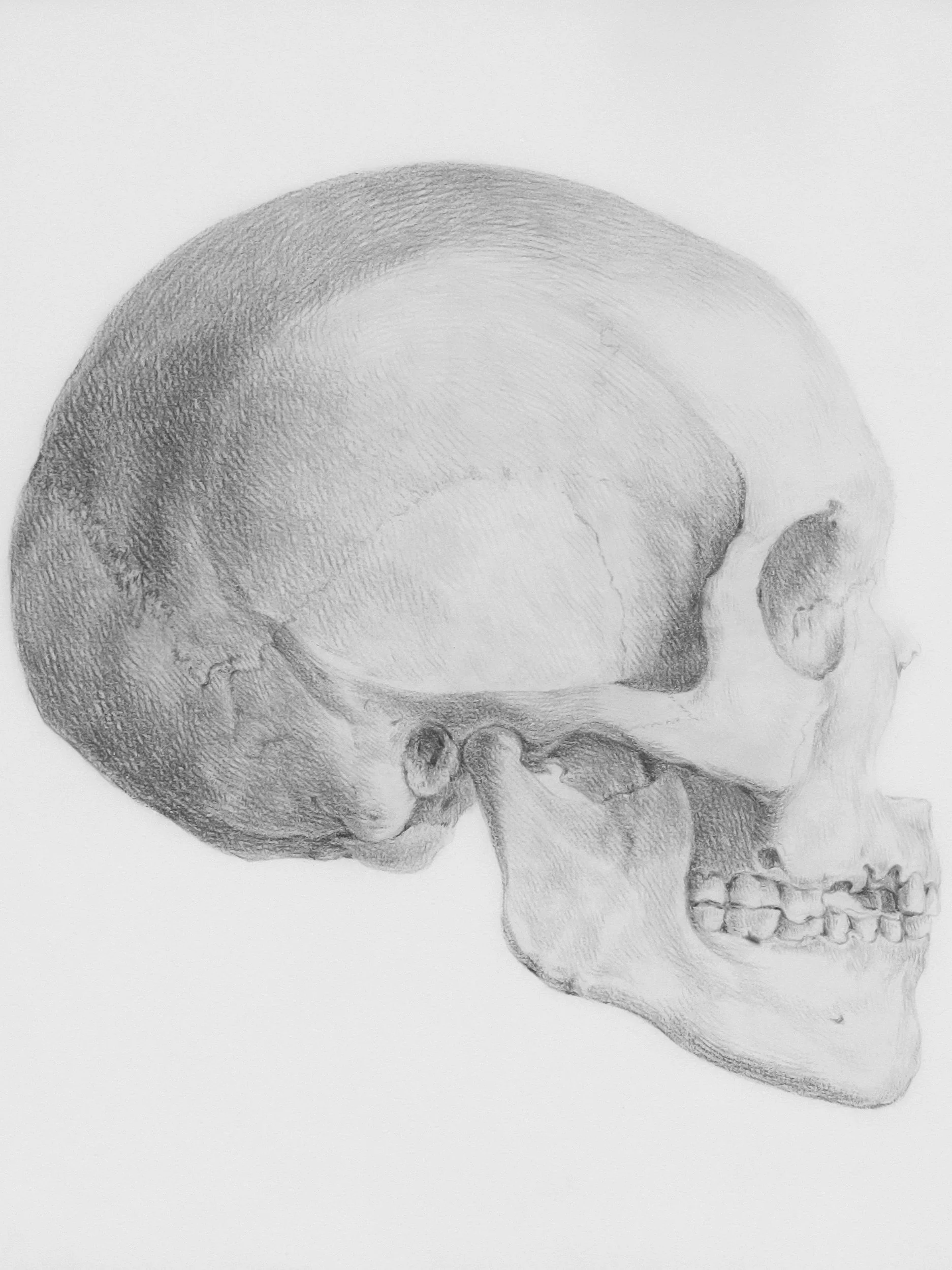
What is TMJ? Or is it TMJD…or TMD?!
Temporomandibular joint disorders (TMJD) are common, and they're often more complex than they first appear.
Temporomandibular disorders (TMD) describe a group of conditions affecting the jaw, also known as the temporomandibular joint (TMJ).
Your jaw is one of the hardest working joints in your body. Every time you chew, yawn, laugh, or speak, your muscles, ligaments, joint surfaces, connective tissue, and a small articular disc all work together to create smooth, coordinated movement.
Understanding TMJ / TMD
If you're experiencing persistent jaw pain, frequent clicking or locking, or headaches associated with jaw tension, an assessment can help determine what may be contributing to your symptoms and whether massage therapy is likely to be an appropriate part of your care.
Common Symptoms
TMJD can look a little different from person to person, but these are some of the most common symptoms people experience.
Jaw, face, tooth, ear, or temple pain
Headaches or migraines
Clicking, popping, or locking
Teeth grinding or daytime clenching
Difficulty opening your mouth comfortably
Common Causes & Aggravating Factors
TMJD rarely has one single cause. Instead, several factors may contribute to symptoms or make them more noticeable over time.
Chronic stress or anxiety
Teeth grinding or clenching (bruxism)
Joint mechanics
Posture and muscle tension
Nervous system sensitivity
Potentially Related Conditions
The jaw doesn't work in isolation. Because it shares close relationships with the muscles of your face, head, neck, and shoulders, symptoms in one area can often influence another.
Headaches & Migraines
Chronic Pain
Hypermobility & EDS
Stress & Burnout
How Massage Therapy May Help
No two people experience jaw pain for exactly the same reason, which means no two treatment plans should look exactly alike. After a thorough assessment, we'll decide together which treatment approaches are most appropriate for your symptoms, goals, and comfort level.
Intraoral Massage
Intraoral massage describes techniques applied to muscles and tissues of the jaw from inside the mouth. It is always performed with gloves and a single digit at a time. Prior to beginning we will determine verbal/non-verbal communication baseline to maintain your comfort.
Education
Understanding what's happening in your body can make a meaningful difference in your recovery. I'll explain what's happening, answer your questions, and help you better understand your body so you can maintain an active role in your care.
Hydrotherapy
The strategic use of hot, warm, and cold applications can be a valuable addition to your massage therapy treatment. Selected based on your needs and treatment goals, hydrotherapy can help improve comfort, ease muscle tension, and support the effectiveness of hands-on care.
Self Management Strategies
Depending on your assessment and goals, home care may include simple jaw mobility exercises, self-massage techniques, hydrotherapy, breathing strategies, or small changes to daily habits such as clenching awareness or posture.
Scalp & Facial Massage
Many of the muscles involved in chewing extend beyond the jaw itself. In addition to the muscles inside the mouth, there are muscles around the cheeks, temples, scalp, ears, and under the chin that can all influence jaw movement and comfort.
Acupuncture
Acupuncture may help reduce muscle tension and improve comfort for some people experiencing jaw pain and discomfort. When appropriate, acupuncture can be combined with massage therapy as part of your treatment plan to help reduce muscle tension and improve comfort.
TMJ / TMJD / TMD FAQs
-
Sometimes the clicking you hear/feel is the result of a displacement of the articular disc within your jaw joint. This could be the result of muscle tension, joint mechanics, or dentition/bite changes.
Whether you have accompanying pain or not, this is not a normal presentation of jaw mechanics and should be evaluated by a skilled healthcare professional.
-
Yes. Stress is a very common trigger or aggravating factor in TMJ dysfunctions. The muscles of the jaw can be active even through the night! If they aren’t getting any rest, it’s no wonder that some one may be experiencing tension or pain.
-
The jaw doesn't work in isolation. The muscles that move it share close relationships with the muscles of your face, head, neck, and shoulders. That's one reason why jaw problems may also be associated with headaches, neck tension, ear symptoms, or facial pain.
-
Depending on the reason for the clicking at your jaw, massage therapy may be able to help. Did you know that there is a tiny intraarticular disc between the surfaces of the jaw joint? In fact, there is a tiny, but strong, muscle that attaches to the disc to help move it through opening and closing. Sometimes this muscle is unable to release it’s contraction and causes the disc to remain displaced. Massage therapy is a great modality to address this.
-
If you have any tooth pain, concerns about cracking teeth/cavities, or feeling of loose teeth, it would be most appropriate to see your dentist first.
-
Unfortunately, it can. The TMJ and ear are very close together, and the temporalis muscle, one of the main muscles of mastication, lays on the skull around the ear. This muscle, and a few others, can have trigger points in them that send referral pain to the ear.
-
A common reason for jaw pain and discomfort is overuse (like with grinding or clenching). Unfortunately, gum chewing can be an aggravating factor in some peoples’ jaw pain.
Every person experiences jaw discomfort differently and for different reasons.
Your first appointment includes a thorough assessment to discuss your symptoms and goals, and develop a treatment plan tailored to your needs. Whether your symptoms are new or something you've been managing for years, we'll work together to explore how massage therapy may fit into your care.